
A shelf clock is a compact timekeeper that pulls double duty as décor.
You know that moment when you step into your living room or home office and think, “This space needs a touch of order”? A shelf clock fixes that fast. It gives you at-a-glance time without grabbing your phone, and it ties a shelf, mantel, or console together. No drilling. No app setup. Just clean time, gentle glow, and a small footprint that works in tight spots. If you need to tame chaos in a bedroom, workspace, or kitchen nook, a shelf clock adds function and style in one small move.
[3-product-listings-blocks]
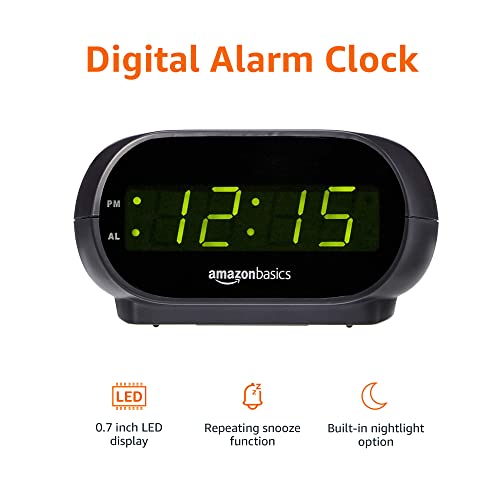
Amazon Basics Small Digital Alarm Clock (Black)

This small digital shelf clock from Amazon Basics is made for spaces that need clear time without fuss. The LED display is bright, simple, and easy to read from a bed or desk. The body is compact, so it sits on a narrow shelf without crowding your books or frames. A built-in nightlight helps you find your way in the dark without turning on a big lamp.
Battery backup protects your time settings during a power outage. That means you do not need to reset the clock after a storm. The control layout is straightforward, which makes setup fast even if you are not techy. It is a practical shelf clock for kids’ rooms, guest spaces, and home offices.
Pros:
- Compact oval design fits tight shelves and small nightstands
- Clear LED digits are easy to read at a glance
- Built-in nightlight adds gentle light without harsh glare
- Battery backup maintains time through outages
- Simple controls make setup quick for anyone
- Lightweight and stable for easy placement on a shelf
- Budget-friendly for basic time and alarm needs
Cons:
- No advanced “smart” features like app control
- Not a decorative analog design for classic décor lovers
- Limited customization beyond the essentials
My Recommendation
If you want a clean, no-drama shelf clock that just works, this is an easy pick. It is best for small rooms, dorms, and anyone who needs bright digits and a basic alarm. I like it for a guest room because visitors can read the time at night and use the nightlight without hunting for a switch. The battery backup is a quiet hero if your power blinks.
Choose this shelf clock when you need simple time, a gentle glow, and reliable backup. Skip it if you want antique style, chimes, or mobile app features. For value, practicality, and a compact footprint, it hits the sweet spot for most small spaces.
| Best for | Why |
|---|---|
| Small shelves and nightstands | Compact body and clear LED digits fit tight spaces |
| Power outage areas | Battery backup keeps time settings intact |
| Guest rooms and dorms | Easy setup, nightlight, and simple alarm for anyone to use |
What makes a great shelf clock?
A good shelf clock should be easy to see from where you sit or sleep. It must fit your space and match your style. It should be simple to use daily without a manual. It should be reliable, so you do not worry about missed alarms or wrong time.
Look for clear digits or hands, steady build, and a power plan that suits your room. If you need quiet sleep, pick a silent design with no tick and a gentle display. If you want more control, pick a model with dimming, alarm options, and battery backup.
Types of shelf clocks and how to choose
Digital shelf clocks show bold numbers and work well at night. They often add alarms, snooze, and backup power. They are great for bedrooms, dorms, and home offices.
Analog shelf clocks bring charm and fit rustic, classic, or modern styles. Silent sweep models do not tick. They may offer alarm bells or chimes, though not always. Smart shelf clocks add Wi‑Fi or Bluetooth and can display weather, voice control, and more. These are handy but add cost and complexity.
When you pick a shelf clock, start with your need. Do you need bold digits and a basic alarm? Digital is best. Do you love old school looks and quiet movement? Choose an analog with a silent sweep. Do you want to control lights and see weather? A smart model might be right.
Display and readability matter most
Readability is the heart of a shelf clock. If you squint, you will stop using it. In a bedroom, LED digits work well because your eyes can catch them in the dark. If the display is too bright, look for a dimmer or a softer nightlight.
In bright rooms or near windows, high-contrast displays stay clear. Analog hands with sharp markers are easy to read as long as the face is not cluttered. For kids or seniors, large numbers and a simple face help every day.
Size, fit, and balance on a shelf
A shelf clock should not hog space. Measure your shelf depth before you buy. A slim, stable base reduces the chance of a tip. Lightweight bodies are easy to move, but they should not slide.
A compact oval or rectangle sits well next to books, plants, and frames. The Amazon Basics small digital shelf clock is a good example of a space-smart design. It rests neatly and leaves room for your other items.
Power, backup, and safety
Power outages happen. A shelf clock with battery backup can save your time settings. That means less stress and fewer missed alarms. This is vital for early shifts and school mornings.
If your shelf clock uses a cord, plan for cable routing. Keep it tidy and clear of heat sources. If you prefer no cords, choose a battery-only model and keep spare batteries on hand. Always follow the safety notes in the manual.
Alarm features and sound
An alarm should wake you without a shock. It should be loud enough, but not harsh. Many shelf clock alarms use steady tones that work for most people. The snooze button should be easy to find in the dark.
Heavy sleepers may need a louder alarm or a ramp-up feature. Light sleepers may need softer tones and a dim display. If you share a room, pick a shelf clock with easy controls so you can silence it fast.
Nighttime use: brightness and glare
A shelf clock should glow, not blaze. Too much light can ruin sleep. Look for dimmable digits, a modest nightlight, or a face that stays readable with low light.
Place the clock at eye level or lower to reduce glare. Aim it away from mirrors and glossy frames. The Amazon Basics model adds a nightlight that helps you move safely without bright light in your eyes.
Build quality and durability
Good shelf clocks have firm buttons and solid feet. The display should be clean and even. The case should resist scuffs. A stable base matters on narrow shelves.
Digital models should show even brightness with no flicker. Analog models should have smooth, quiet hands. If your shelf clock moves often, a scratch-resistant case will pay off over time.
Style and décor pairing
Your shelf clock should feel at home in your room. For modern spaces, pick clean lines and bold digits. For farmhouse or vintage looks, choose wood tones or brass accents. For minimalist desks, go with black or white.
Pair the shelf clock with small frames, a plant, and one sculptural piece. Group items in odd numbers for a natural look. Keep open space so the shelf does not feel cramped. A small digital shelf clock balances tech and simplicity in many rooms.
Accuracy and timekeeping
Most modern shelf clocks keep time well. Digital clocks often run off a crystal that holds stable time. Analog clocks do the same, but the hands show it. Over months, small drift can happen. Resetting during daylight saving time is easy on basic models.
Some clocks sync by radio or internet. That is nice, but not needed for most homes. If you want the simplest setup, a basic shelf clock with clear buttons is enough.
Ease of setup and use
A great shelf clock makes setup simple. You should set time and alarm without a manual. Buttons should be clear. Sliders and icons help. The snooze and nightlight should be easy to find in the dark.
Test the alarm once. Make sure you can change the volume or tone if the model allows it. With a compact design, you can lift it off the shelf, adjust it, and place it back in seconds.
Care, cleaning, and maintenance
Dust collects fast on shelves. Wipe your shelf clock with a dry, soft cloth. Do not spray cleaners on the display or face. Keep vents clear if it has them.
Replace backup batteries on a schedule, such as once a year. Unplug the clock before deep cleaning around it. This keeps your shelf neat and your clock safe.
Common mistakes to avoid
Do not buy a shelf clock that is too big for your space. It will look crowded. Avoid displays that are too bright for your eyes at night. Bright light can cut sleep quality.
Do not ignore backup power. Outages happen. Finally, do not hide the clock behind tall décor. You want clear sight lines from your bed or chair.
Who should consider a small digital shelf clock?
Students and renters love small clocks because they fit in tight rooms. Parents like them for kids’ rooms thanks to simple buttons and bold digits. Guests benefit from easy, readable time in a new space.
Remote workers need fast time checks without grabbing their phone. A shelf clock solves that. Seniors enjoy large, bright numbers and a gentle nightlight at night. The right shelf clock serves all of these needs.
Real-world use cases for your shelf clock
On a living room bookshelf, a digital shelf clock anchors a row of books. It adds a soft glow for movie nights. In a kitchen nook, it helps you track bake times at a glance. No phone needed.
In a home office, it keeps meetings on schedule. On a bedroom nightstand, it offers a nightlight and a clear alarm. In a guest room, it removes the “what time is it?” stress of travel.
Budget and value
You do not need to spend a lot to get a solid shelf clock. Budget models cover the basics. Clear digits, simple alarms, and backup power give strong value. That is why a compact digital model often wins for most homes.
If you want art or rare materials, expect higher prices. If your top goal is clarity and ease, a budget digital shelf clock is still the best value. The Amazon Basics small digital clock shows how far a little budget can go.
Environmental and energy thoughts
LED displays use little power. That keeps costs and heat low. Battery backup only draws when the power fails. Replace batteries on a schedule to avoid leaks.
To reduce waste, pick a durable shelf clock that will last. Avoid impulse buys that do not fit your space. One good choice beats three average ones.
Placement and cable tips
Think through cable paths before you place a corded shelf clock. Run the cord behind the shelf. Use small clips to keep it tidy. A clean line reduces dust and looks better.
Avoid placing the clock in direct sun. Sun can reduce display life and fade cases. Keep it away from heaters and stoves. A cool, dry spot increases life and keeps time stable.
How to style a shelf around your clock
Use a triangle layout. Place your shelf clock at one point, a plant at another, and a frame at the third. Vary heights for depth. Repeat one color or finish for unity.
Leave white space so the clock stays visible. Let the shelf clock be the “functional hero” of the set. It should be easy to reach and easy to read.
Digital vs. analog: which shelf clock should you buy?
Choose digital if you need at-a-glance time in day and night. Large numbers are kind to sleepy eyes. Digital is better if you wake at set times and need a simple alarm.
Choose analog if you love décor and quiet hands. Many analog models look like art pieces. Silent sweep models do not tick, which helps light sleepers. Pick based on your eye and your room.
Why this Amazon Basics model stands out for shelves
The oval shape is neat and compact. It tucks into tight spaces and looks clean. The LED digits make time checks simple. The nightlight adds gentle light for late nights.
Battery backup is the key. Many budget clocks skip it. Here, it is built in. This gives peace of mind in storms and outages, which matters more than you think.
How to get the most from your shelf clock
Set the brightness for your eyes and your room. Test the alarm tone and volume at a time when you are awake. Place the clock where you can hit snooze without fumbling.
Pick a spot with minimal glare and clear lines of sight. Clean the clock when you dust your shelf. Update the battery before storm season or travel.
Light sleepers: what to look for
Look for dimmable digits or a soft nightlight. Avoid loud ticking and bright faces. Keep your shelf clock at least a few feet from your head if light bothers you.
Test the glow at night. If the face feels bright, angle it slightly away. A small change in tilt can make a big change in comfort.
Heavy sleepers: what to look for
Pick a shelf clock with a clear alarm tone and a big snooze button. Place it far enough away that you must sit up to hit snooze. This helps you wake up.
Set a backup alarm on your phone for safety if you have an early flight or a big exam. Use both until you learn your needs with the new clock.
For parents and kids
Keep kids’ clocks simple. Bold digits teach time flow. A gentle nightlight is helpful. Place the shelf clock where they can see it from bed, but not knock it off when they reach for a toy.
Teach your child how to use the snooze and alarm. It builds morning skills early. Label buttons with small stickers if needed for fast learning.
Seniors and accessibility
Large, bright numbers help low vision. Buttons with good travel and clear labels help those with arthritis. A shelf clock should be steady and not slide on smooth wood.
Place the clock where it is easy to reach and easy to see. Avoid glare and sharp angles. The Amazon Basics small digital shelf clock is a good fit due to its clear digits and simple controls.
When a shelf clock beats a phone
A shelf clock gives the time without tempting you to scroll at night. It can improve sleep habits. You also get a steady, clear read at a glance.
Phones bring blue light, notifications, and noise. A dedicated shelf clock is calm. It supports better focus in home offices and better rest in bedrooms.
Troubleshooting quick tips
If the display flickers, check the outlet and plug. If the time drifts, reset it and watch for stable power. If buttons feel stuck, clean around them with a soft brush.
If the nightlight seems dim, check for dust on the lens area. Replace the backup battery if the clock forgets time after brief outages. Keep the manual handy for button sequences.
Shelf clock care schedule
Weekly: Dust the case and display. Monthly: Check cable strain and placement. Seasonally: Inspect the backup battery and clean behind the shelf.
Yearly: Replace the backup battery and check for wear. This simple plan keeps your shelf clock reliable and neat all year.
Smart add-ons and extras to consider
Some people add a cable clip and a small surge protector. This protects the clock and keeps the area tidy. A felt pad under the base can add grip on glossy shelves.
If your shelf clock is in a dark corner, a small LED strip behind the shelf can add soft backlight. Keep it dim and warm so it does not fight the clock’s display.
Cost vs. longevity
It is better to buy a modest, well-made shelf clock than a flashy one that breaks. The Amazon Basics model is a great example of “buy once, use daily.” It is no-frill, but that is the point.
When a clock works every day, your routine is smoother. That is worth more than extra features you never touch. Value lives in daily use, not spec sheets.
Upgrading later
If you choose a small digital shelf clock now, you can still add a decorative analog clock later. Many homes use both. Digital for the bedroom. Analog for the living room.
This layered approach lets you keep function where you need it and style where you want it. Start simple, then tune your space with time.
FAQs Of shelf clock
What is the best size for a shelf clock?
Pick a size that fits your shelf depth with room to spare. Small to mid sizes work best on narrow shelves.
Do I need a battery backup in my shelf clock?
Yes, if you want to keep time during power outages. It prevents resets and missed alarms.
Is a digital shelf clock too bright for bedrooms?
Not if it has a gentle nightlight or dim display. Place it slightly off-axis to reduce glare.
How often should I replace the backup battery?
About once a year is a safe habit. Replace sooner if you have many outages.
Are analog shelf clocks quieter than digital?
Both can be quiet. Choose a silent sweep analog or a digital with no ticking parts.
Final Verdict: Which Should You Buy?
If you want a simple, reliable shelf clock that fits anywhere, choose the Amazon Basics Small Digital Alarm Clock. It is easy to read, easy to set, and the battery backup saves your settings.
For small spaces, guest rooms, and everyday use, it offers strong value. This shelf clock delivers clear time and calm function without clutter or fuss.
This setup is a clean, low-risk install with high payoff.
Adhesive is the fast fix—perfect for renters. Screws deliver long-term stability for textured walls or daily use. Either method lifts hats off cluttered surfaces, restoring space and order in your master bedroom.
If you want a simple solution with lasting results, this is the smart move.
🛒 DecorVillaa.com offers wall-mounted décor ideas that install easily and transform bedrooms instantly—minimal effort, maximum impact.
This window plant shelf is a non-invasive upgrade with instant results.
Clean the glass, press the suction cups, and you’re done. The shallow depth enforces smart styling—petite herbs, succulents, cuttings, and low-profile planters that stay neat and balanced.
If you want vertical greenery without drills or damage, this is the right move.
🌿 DecorVillaa.com delivers window plant shelves that turn kitchens and offices into fresh, organized green zones—rent-safe, space-saving, and effortlessly stylish.
This LED light strip is a non-invasive upgrade with instant payoff.
Peel, stick to the smooth back of your TV, plug in via USB—and you’re done. It powers on with the TV, delivering dopamine décor without extra switches or clutter.
If you want big mood, zero mess, this is the smart treatment.
✨ DecorVillaa.com curates LED décor that installs fast and transforms spaces instantly—stick it, plug it, enjoy the glow.
A cream duvet cover is a clean aesthetic correction.
It softens harsh
Hey Beeph! Beeph is the name, and legit gaming is the game. Solid platform, easy to navigate. Worth a look if you’re hunting for some fun. beeph
A clean interface and intuitive navigation always make a platform easier to explore. User-friendly design matters—whether you’re browsing digital content or discovering fresh ideas for your home. ✨