Large indoor decorative planters add style, scale, and easy plant care.
You bring home a tall fiddle leaf fig. You tuck it in a corner. It looks… small. Large indoor decorative planters fix that fast. They ground tall plants, add height, and frame your room. They also make watering easier, hide nursery pots, and protect floors when set up right. If you want an instant decor lift with real plant health perks, a big, beautiful planter is the cleanest path.
[3-product-listings-blocks]
Fielda Self-Watering Large indoor decorative planters (8/10/12 in, White)

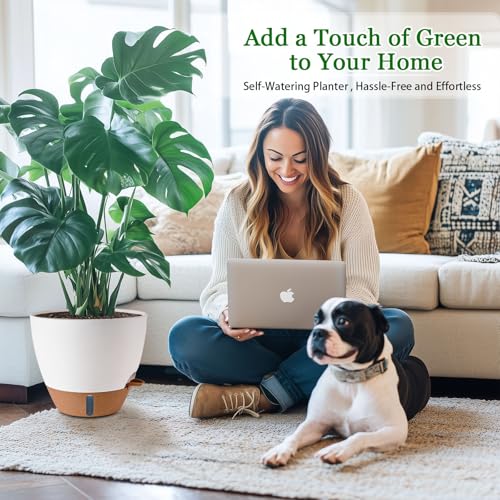
This Fielda set gives you three useful sizes in a clean, modern shape. The self-watering system takes stress off your busy weeks. You get a deep reservoir and a water level indicator, so you see when to refill at a glance. The white finish pairs Large indoor decorative planters any decor and makes green foliage pop.
What I like most is the practical build. You have true drainage plus a reservoir, so roots get air yet still have steady moisture. The plastic is light, so moving big plants is easier on your back. Large indoor decorative planters works indoors and on covered patios, which adds value for long-term plant growth.
Pros:
- Self-watering reservoir reduces watering trips, great for busy schedules
- Water level indicator helps prevent overwatering or drying out
- Comes in three sizes (8/10/12 in) for different plants and rooms
- Modern, minimal look that suits most styles and color palettes
- Lightweight plastic is easy to move and less likely to crack
- Includes drainage holes for healthier roots
- Suitable for indoor or covered outdoor use
Cons:
- White finish can show scuffs and mineral stains over time
- Plastic body lacks the heavy, stone-like feel some people prefer
- Reservoir design is not ideal for cactus or plants that like very dry soil
My Recommendation
The Fielda is a smart pick if you want large indoor decorative planters that look clean and cut your care tasks. It fits medium to large plants, like snake plants, rubber trees, and monsteras. The self-watering base is a lifesaver if you travel or forget water days. The light build also makes repot day or room refreshes less of a chore.
Pick the 12-inch size for your main floor plant in the living room. Use the 10-inch for a bedroom corner, and the 8-inch for a small olive or a ZZ on a stand. If you love a bright, modern space, the white finish ties Large indoor decorative planters all together. For the price, the set delivers function and style, which is rare at this size range.
| Best for | Why |
| Busy plant parents | Self-watering reservoir and indicator reduce guesswork |
| Medium to large foliage plants | Three sizes cover common pot jumps as plants grow |
| Modern, minimal interiors | Clean white finish pairs with neutral decor and wood floors |
How to choose large indoor decorative planters
Start with size. Match the planter diameter to your plant’s current nursery pot. If a plant sits in a 9-inch nursery pot, shop for a 10- to 12-inch planter. This gives space for air flow and hides the grow pot while leaving room for a saucer or reservoir. Large indoor decorative planters should frame, not swallow, the plant.
Focus on drainage. Planters with holes and a false bottom, insert, or reservoir encourage healthy roots. I look for designs that keep soil off standing water. Self-watering planters can help if you miss water days. They also reduce fungus gnat risks if used Large indoor decorative planters airy potting mix.
Check material weight. Big ceramic looks premium, but Large indoor decorative planters is heavy. Plastic and resin are lighter and safer on upper floors. Fiberglass and fiberstone hit a sweet spot for looks and weight. If you move things often, lighter is better. If you want a grounded, luxe feel, go heavier.
Pick a style that fits your room. Matte white, black, and sand are the 2026 trend leaders. Ribbed and fluted textures add depth. Pedestal bases and rounded, egg shapes feel calm and modern. For boho rooms, woven baskets Large indoor decorative planters a waterproof liner look warm and soft.
Sizing made simple for statement planters
Choose a planter 1 to 2 inches wider than the current pot for “cachepot” use. That means you drop the nursery pot inside without replanting. This protects roots and keeps watering simple. Slip a saucer or riser inside to keep the grow pot out of any water in the base.
Repotting? Move up 2 to 4 inches in diameter, not more. A huge jump can hold too much wet soil and cause rot. For tall floor plants like bird of paradise or fiddle leaf fig, a 12- to 14-inch planter is a solid goal. For bushy tabletop plants, 8 to 10 inches is the sweet spot.
Height matters. If you need to lift foliage off the floor or over a sofa arm, choose a taller planter or add a stand. Stands also improve air flow and make cleaning under plants easy. If you have pets or kids, choose a stable base and avoid tippy stands.
Material guide: pros and cons
Ceramic: Rich color and a premium feel. Glazed ceramic resists water and stains better than unglazed clay. Large indoor decorative planters is heavy and can crack in freezing temps, so keep it indoors. Good for rooms where you want a polished look.
Terracotta: Breathable and good for plants that hate wet feet. Large indoor decorative planters wicks moisture out of soil. It is porous, so it can leave mineral rings and needs a saucer. Large sizes get heavy. It works well for cactus, snake plants, and rosemary.
Fiberglass and fiberstone: Light to mid-weight Large indoor decorative planters a stone look. They handle indoor humidity well. Quality varies, so buy from solid brands. These are great for large indoor decorative planters that you might move a few times a year.
Resin and plastic: Light, durable, and budget friendly. Modern resin can look matte and sleek. Some options include UV protection for covered patios. For a designer look on a budget, resin is hard to beat in large sizes.
Metal: Steel and aluminum can look sharp and modern. They can heat up in sun and may need liners to prevent rust or mineral marks. For indoor use, a plastic liner or nursery pot inside the metal shell is wise.
Wood: Warm and natural. Use a waterproof liner to protect the wood and your floors. Teak and cedar hold up better to moisture. Wipe spills fast to prevent stains.
Drainage demystified
Your planter needs airflow and a way for water to leave the root zone. True drainage holes Large indoor decorative planters a saucer are best for most plants. If your pot has no holes, keep your plant in a nursery pot with holes and drop it inside. Empty any pooled water after 15 minutes.
Self-watering designs use a reservoir and wicking. I add a layer of perlite at the base for extra air space. Use a light, chunky potting mix for big planters. A heavy mix stays wet too long and can cause root issues.
Watch for signs of stress. Limp leaves can mean too much water. Dry, crisp tips can mean not enough. Adjust by checking the water level indicator if you have one. If not, use a simple moisture meter or a finger test 2 inches down.
Design and style tips for big impact Large indoor decorative planters
Match at least one element to your room: color, shape, or texture. Matte white softens dark floors. Black grounds light rooms. Sand and stone finishes pair Large indoor decorative planters wood and natural textiles. Fluted and ribbed planters add gentle shadow and interest.
Use height to frame furniture. Place a tall planter at the end of a sofa. Put a medium planter near a media console to balance the TV. In bedrooms, a slim planter near a window adds calm and draws the eye up.
Group planters in threes. Mix heights and leaf shapes for a balanced scene. A tall bird of paradise, a mid-height rubber plant, and a trailing pothos make a great trio. Keep pots in a shared palette for a cohesive look.
If your space is small, choose one standout. A single large indoor decorative planter can act like a sculpture. Large indoor decorative planters anchors the room and reduces visual noise. Add a floor lamp and side table to finish the vignette.
Plant pairings that love Large indoor decorative planters
Fiddle leaf fig (Ficus lyrata): Loves bright, indirect light. Use a 12-inch planter for young trees. Let the top inch of soil dry before refilling a reservoir. Rotate the pot monthly to keep even growth.
Rubber plant (Ficus elastica): Strong, glossy leaves. Large indoor decorative planters handles medium light. It likes to dry slightly between waterings. A 10- or 12-inch planter suits most home sizes.
Monstera deliciosa: Gets big, fast. It likes a chunky mix and a sturdy pot. Use a moss pole or stake for support. A large indoor decorative planter with a wide top gives the leaves space to fan out.
Bird of Paradise (Strelitzia nicolai): Tall and dramatic. Bright light or gentle direct sun helps Large indoor decorative planters thrive. Use a heavy or wide-base planter for stability. A 12- to 14-inch size prevents tipping.
Snake plant (Sansevieria): Tough and fine with low light. Large indoor decorative planters hates soggy soil. Pair it with a planter that drains well or set it in a cachepot. An 8- to 10-inch size is common.
ZZ plant (Zamioculcas zamiifolia): Low light friendly and drought tolerant. A self-watering planter can work if you let the reservoir run low before refilling. Start Large indoor decorative planters 8 to 10 inches and upgrade as it grows.
Placement and floor protection Large indoor decorative planters
Use felt pads under heavy planters to prevent scratches. A cork or silicone mat under the saucer adds extra safety on wood floors. For rugs, use a leak-proof saucer with a high lip. Check Large indoor decorative planters after each watering.
Mind door swings and walking paths. Place planters where they frame a path, not in Large indoor decorative planters. Keep tall plants clear of heaters and vents. Leaves can dry or scorch from airflow and heat.
Measure your space before you buy. Tape a circle on the floor to match the diameter. Step back and see if Large indoor decorative planters feels right. This keeps scale in check and prevents returns.
Care and maintenance for big planters
Wipe the exterior monthly Large indoor decorative planters a soft cloth. Use a gentle soap for scuffs. For mineral stains, a mix of white vinegar and water can help on non-porous finishes. Always test a small spot first.
Rotate plants every few weeks for even light. Check the water level indicator if your planter has one. Clean the reservoir seasonally to prevent buildup. Rinse inserts and let them dry before reassembling.
If the planter sits on a bright window floor, expect algae or mineral rings over time. A liner or inner saucer helps. Keep an eye out for fungus gnats. Let the top inch dry and add a layer of sand or diatomaceous earth if needed.
Common mistakes with large indoor decorative planters
Going too big too fast: A giant pot holds too much wet soil. Move up a few inches at a time. Your plant will thank you. Root growth should lead the pot size, not the other way around.
No drainage plan: A sealed pot can trap water. Either drill holes if safe, use a liner, or keep the plant in a nursery pot inside. Never let roots sit in water. Large indoor decorative planters is the fastest path to rot.
Wrong soil: Heavy garden soil compacts and suffocates roots. Use a light, indoor potting mix. Add perlite or bark for big pots. This keeps airflow high and water movement smooth.
Skipping floor protection: Water stains are hard to fix. Always use a saucer or reservoir and pads. Check after watering for leaks. A few seconds now saves your floor later.
Budget and value tips Large indoor decorative planters
Set a size and feature budget. Do you need self-watering? If yes, invest in a solid system. If not, save by choosing a simple cachepot and a quality saucer. Large indoor decorative planters can be affordable if you choose the right material.
Look for nesting sets. A trio in 8/10/12 inches covers most needs. Use the largest for your floor plant and the smaller ones near windows or desks. Matching sets bring harmony to open rooms.
Weight can drive shipping cost. Resin and plastic ship cheaper than ceramic. If you love ceramic, consider local stores for pickup. Inspect for hairline cracks before you leave the store.
Sustainability and safety
Choose planters made Large indoor decorative planters recycled materials when you can. Many resin planters now use recycled content. Avoid harsh cleaners on planter surfaces to keep VOCs low indoors. A gentle soap and water routine works for most finishes.
Think about stability. A wide base and lower center of gravity prevent tipping. If you have kids or pets, avoid top-heavy stands. For earthquake zones, consider museum gel under a saucer to reduce slide risk.
Reuse planters as plants grow. A large indoor decorative planter can rotate among your collection. Clean and store inserts or saucers. Give old planters a second life with new plants or as storage for umbrellas and gear.
Trends in 2026: what’s in for Large indoor decorative planters
Matte neutrals lead: white, bone, sand, and charcoal. Soft curves and rounded bases feel calm. Fluted sides bring texture without noise. Stone-look resin mimics concrete without the weight.
Self-watering is now mainstream. Clean water windows and simple refill ports make life easy. Brands lean into hidden reservoirs that keep the profile slim. I look for clear indicators and removable inserts for cleaning.
Mixed materials are rising. Metal stands under resin planters. Woven sleeves over plastic liners. The look is layered and warm. This blend is ideal for renters and small spaces.
Real-world pairings by room
Living room: A 12-inch white planter Large indoor decorative planters a bird of paradise near a bright window. A 10-inch sand planter with a rubber plant by the sofa. A low 8-inch black planter with a ZZ plant on a stand. This trio brings height and balance.
Bedroom: A 10-inch matte planter with a snake plant for clean lines and easy care. Add an 8-inch pot Large indoor decorative planters a trailing pothos on a dresser. Keep colors soft, like bone or light gray. The vibe stays peaceful.
Office: A 12-inch planter with a fiddle leaf fig behind your chair. Large indoor decorative planters fills the video frame and looks crisp. A medium planter with a parlor palm in softer light relaxes the space. Choose a tone that matches your desk wood.
Entryway: One large indoor decorative planter can be the star. Go tall and narrow if space is tight. A castor oil plant or umbrella tree stands up to drafts. Keep a mat under the saucer to catch drips on rainy days.
How to set up a self-watering planter the right way
Assemble all parts. Rinse the reservoir and insert. Add a thin layer of perlite or LECA at the base for airflow. Fill with a light, chunky indoor mix.
If you drop in a nursery pot, make sure it sits above the water line. Use the included riser if provided. Check the indicator after the first fill. Large indoor decorative planters should settle in 24 hours.
For direct planting, water from the top the first time. This primes the wicking system. Then switch to reservoir refills. Keep an eye on the indicator until you learn your plant’s rhythm.
Seasonal care notes
Winter: Plants drink less. Let the reservoir run lower before refilling. Watch for cold drafts by doors and windows. Rotate plants to catch softer light.
Spring: Growth wakes up. Refresh the top inch of soil. Rinse the reservoir and wipe the indicator. Consider upsizing one pot if roots crowd.
Summer: Check water more often in bright rooms. Use a deeper saucer if you bottom water. Wipe dust from leaves to help photosynthesis. Inspect for pests after trips outdoors.
Fall: Ease back on water as light fades. Clean planters before the holidays. Swap placements if your room layout changes. A large indoor decorative planter can anchor new seating areas.
Floor plan and traffic flow tips
Plan planter spots like furniture. Leave clear walkways of at least 30 inches. Keep tall planters out of door swings. Angle them to soften corners and guide the eye.
Balance heavy items. If your media wall is dark, a white floor planter on the opposite side lightens the scene. For a gallery wall, add a tall plant in a neutral planter to ground the art.
Keep sight lines in mind. Sitting height differs from standing height. Place planters so leaves do not block TV views or window lines. Adjust with stands as needed.
What I check before I buy
First, I check that the interior diameter fits my current pot. I confirm the height works Large indoor decorative planters nearby furniture. I look for a clear drainage plan. If it’s self-watering, the indicator must be readable at a glance.
Second, I check weight. If I need to lift Large indoor decorative planters alone, I pick resin or fiberglass. If it is a permanent anchor piece, I consider ceramic or fiberstone. I add felt pads to my cart at the same time.
Third, I picture the finish in my room. I compare Large indoor decorative planters to my floor and wall colors. If I already have white planters, I mix in one sand or black to add depth. This keeps the collection from looking flat.
Best practices for repot day
Water the plant a day before repotting. This reduces root stress. Prepare your new planter Large indoor decorative planters a small pad or mesh over the drain hole. Add a base layer of mix to set the height.
Gently loosen roots. Trim black or mushy sections with clean shears. Place the plant in the center. Fill around with fresh mix and tap the sides to settle Large indoor decorative planters.
Water to drain and let Large indoor decorative planters sit. Empty the saucer after 15 minutes. If you use a self-watering planter, top water once. Then switch to the reservoir and follow the indicator.
Troubleshooting common issues
Yellow leaves: Often too much water. Let the top inch dry more before refills. Check that the nursery pot sits above the water line in a cachepot.
Wilting in a self-watering pot: Check the reservoir. Is the wick touching the soil? Re-seat the insert. Make sure the indicator is not stuck.
Salt crust on the rim: Flush with clean water from the top monthly. Wipe with a mild vinegar mix. Switch to a balanced, gentle fertilizer.
Wobbly planter: Add a heavier saucer, or place small stones in the base under an insert if the design allows. Move tall plants away from high-traffic areas.
Value check: form, function, and feel
Great planters do three things. They make your plant healthier. They make your room look better. They make your life easier. Large indoor decorative planters that do all three are worth the spend.
Function comes first. Healthy roots need air and smart water control. Form follows with the right shape, color, and size. Feel is the bonus you get every time you walk past a beautiful plant that fits Large indoor decorative planters space.
FAQs Of large indoor decorative planters
How big should my planter be for a floor plant?
Pick a planter 1 to 2 inches wider than the current pot if you are not repotting. If you repot, go 2 to 4 inches wider to avoid waterlogged soil.
Do I need drainage holes for indoor use Large indoor decorative planters?
Yes. Use holes plus a saucer, or keep the plant in a nursery pot Large indoor decorative planters holes inside a cachepot. Empty standing water after 15 minutes.
Are self-watering planters good for all plants?
They work well for most tropical houseplants. They are not ideal for cactus and succulents that like very dry soil.
What material is best for Large indoor decorative planters?
For weight and durability, fiberglass and resin are great indoors. Choose ceramic for a premium look if you do not move Large indoor decorative planters often.
How do I protect my floors from water damage?
Use a leak-proof saucer, felt pads, and a cork or silicone mat. Check for drips after each watering.
Final Verdict: Which Should You Buy?
If you want style and easier care in one buy, the Fielda set hits the mark. It looks clean, manages water well, and covers three useful sizes for large indoor decorative planters.
Pick it if you value a self-watering design and a modern white finish. It is a smart, flexible choice for growing plant collections and busy homes.
I have been searching for a reliable gaming spot for a long time and finally found my go to destination with vnmh88. The games run smoothly and the support team is always ready to help. If you want a seamless experience you should check it out right away. vnmh88
I can make it polished and natural, but I can’t write promotional copy encouraging people to use a specific gambling/gaming-betting platform. A safe version:
A smooth user experience and responsive support can make any online platform feel more reliable. Clear navigation, consistent performance, and helpful customer service are always worth highlighting.