
Midcentury modern interior doors blend clean lines, warm wood, and lasting style.
You want a quick, stylish room refresh without a full remodel. Doors are often the forgotten surface in a home, yet they shape every sightline and space. Midcentury modern interior doors solve that. They sharpen your look with simple geometry, slim profiles, and natural finishes. They also help with airflow, light, and privacy, depending on the style you choose. If your hallway or living room feels tired, swapping in midcentury modern interior doors is the kind of change you see and feel every day.
[3-product-listings-blocks]
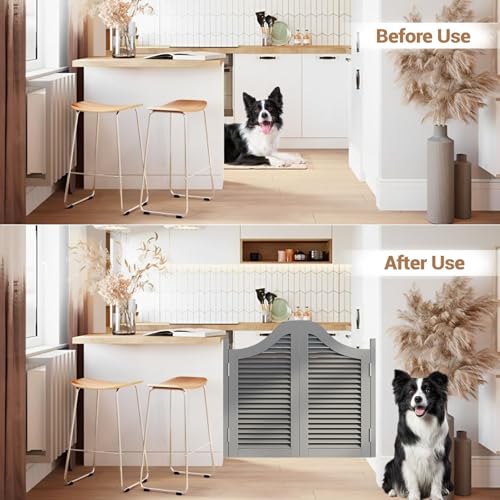
Solid Wood Louvered Saloon Door, Two‑Way Hinges

This louvered saloon-style door brings a breezy, midcentury vibe to busy thresholds. The two-way hinges swing in and out, so it feels easy and fast to pass through. Solid wood slats allow air to flow while still defining the space. Midcentury modern interior doors looks right at home between a kitchen and dining area or at the entry to a den.
I like this pick for small spaces where a full door feels heavy. The louvers play well with midcentury furnishings because they add texture without clutter. The wood can take stain or paint, which helps match other trim. If you want a period-correct, informal barrier, this door nails Midcentury modern interior doors.
Pros:
- Two-way hinges make movement smooth in tight spots.
- Solid wood construction takes stain or paint well.
- Louvered design improves airflow between rooms.
- Great for informal zones like kitchens, dens, and bars.
- Lightweight feel suits midcentury open-plan layouts.
- Available in multiple widths for easier fit.
Cons:
- Not a full-privacy solution for bedrooms or baths.
- Louvers can collect dust and need light cleaning.
- May require careful alignment to swing evenly.
My Recommendation
Choose this if you want midcentury modern interior doors that feel casual and airy. It is best in spaces where you want a visual break but still want light and circulation. The two-way hinges feel great in use and reduce traffic jams in narrow passages. If you rent or want a lighter touch than a full slab, this is a smart, style-forward solution.
| Best for | Why |
|---|---|
| Kitchen to dining transitions | Easy swing both ways and keeps zones defined but airy |
| Small apartments or narrow halls | Space-saving swing and light visual weight |
| Midcentury-inspired dens or bar areas | Louvered texture pairs with vintage wood and brass accents |
What makes midcentury modern interior doors stand out
Midcentury modern interior doors focus on function and form. They use clean lines and honest materials. You see wood grain, simple panels, and strong geometry. The look feels calm and clear.
These doors favor simple slabs, louvers, and minimal trim. You can add glass to share light between rooms. Hardware stays low-profile and purposeful. Nothing is extra.
They also work Midcentury modern interior doors many color schemes. Warm stains, natural oak, and rich walnut fit right in. Painted finishes in white, gray, or muted color also feel right for midcentury homes.
Key buying factors for midcentury modern interior doors
Before you buy, get the basics right. Measure, plan for use, and think about light and sound. Midcentury modern interior doors are simple by design, so details matter.
- Size and swing: Measure the opening, the swing direction, and the clearance. Doors must open safely without hitting furniture.
- Core and weight: Solid-core cuts more sound. Hollow-core costs less and is lighter. Solid wood brings depth and longevity.
- Privacy and light: Choose flush slabs for privacy. Pick glass lites or louvers to share light or airflow.
- Finish: Decide on stain, clear coat, or paint. Match trims and floors for a pulled-together look.
- Hardware: Use simple levers or knobs in brass, black, or satin nickel. Keep lines clean.
Think about where you will install the door. Bedroom and bath doors need privacy and quiet. Kitchens and living rooms may want light and airflow. Let the use guide the style.
Materials: solid wood, engineered cores, glass, and veneer
Solid wood has classic appeal. It feels sturdy and takes a beautiful finish. It can last for decades with care. Midcentury modern interior doors also adds warmth to modern lines.
Engineered or solid-core doors blend value and performance. They reduce warping and carry more sound mass than hollow-core. Veneers over these cores can look like real wood at a lower cost. They also stay more stable across seasons.
Glass brings light and a high-design look. Clear glass suits hall doors and home offices. Frosted or ribbed glass adds privacy while keeping light moving. Choose tempered glass for safety.
Louvered designs, like the saloon door above, create airflow. They also add texture to smooth rooms. In a warm climate, they help move air between spaces. That suits midcentury homes that lean open.
Styles you will see in midcentury modern interior doors
Flush slab doors: These are flat-faced with no panels. They show off wood grain or a clean paint finish. The shape is simple and purposeful. Midcentury modern interior doors works in any hallway or bedroom.
Panel doors with minimal lines: Some midcentury homes used single-panel or two-panel doors with square edges. The look is subtle and modern. Midcentury modern interior doors adds a hint of detail without fuss.
Louvered doors: Classic for closets and transitional spaces. They let air move and keep rooms from feeling stuffy. The slats add rhythm and shadow that read Midcentury modern interior doors.
Glass-lite doors: A narrow vertical lite or a trio of slim lites looks period-correct. A ribbed or reeded glass can mimic midcentury textures. Use these for offices, dens, or hallways that need borrowed light.
Pocket and pivot doors: Pockets save space and maintain clean walls. Pivots feel sculptural and bold. Both align Midcentury modern interior doors midcentury’s love of new technology and sleek motion.
Measuring, sizing, and prep Midcentury modern interior doors
Always measure the rough opening and the existing door slab. Check height, width, and thickness. Also measure hinge placement if you are changing just the slab. Minor differences can cause rub or misalignment.
Check the floor. If you plan a rug or new flooring, allow for clearance. A tight gap scrapes and looks wrong. A gap too big looks unfinished and leaks sound.
Think about trim and casing. Midcentury modern interior doors trim tends to be narrow and flat. A simple half-inch reveal looks crisp. Keep lines straight and joints tight.
Installation basics and tips Midcentury modern interior doors
Hanging a door is simple in steps, but Midcentury modern interior doors takes care. Mark hinge locations, drill pilot holes, and secure the hinges straight. Use shims to plumb the jamb. Take your time with the reveal.
Prehung doors can help if your frame is out of square. They come Midcentury modern interior doors hinges set and the jamb attached. You fit the whole unit into the opening. It saves time and guesswork.
For saloon doors Midcentury modern interior doors two-way hinges, centerline placement matters. Follow the hinge instructions. Make sure both leaves swing evenly and return to center. Adjust tension to suit the room.
- Use a level and a good square for hinge layout.
- Paint or finish parts before final assembly when possible.
- Protect the floor with a drop cloth as you work.
- Test the latch and swing several times before final nails.
Hardware that complements Midcentury modern interior doors
Midcentury hardware is simple, tactile, and bold. Think straight lever handles, small round knobs, and clean backplates. Brass, satin nickel, black, and aged bronze all work. Pick one finish and keep Midcentury modern interior doors consistent.
For louvered or saloon doors, spring hinges Midcentury modern interior doors soft return feel upscale. They keep the center position neat. In homes with flush slabs, a square-edge lever looks perfect. Pocket door pulls should be slim and low-profile.
Door stops and catches matter too. They protect walls and keep doors where you want them. Look for low-visual stops to keep the sightline clean.
Finish and color ideas for midcentury modern interior doors
Natural wood finishes shine in Midcentury modern interior doors. Walnut, teak tones, and honey oak read warm and timeless. A matte or satin sheen keeps things quiet. Gloss can look too formal in this style.
Paint works well when you want contrast. White doors Midcentury modern interior doors warm wood floors look fresh. A muted olive, clay, or deep navy can make a statement. Keep casing simple so the color stands out.
Don’t forget the edges. Small details like a darker edge stain or a painted edge can add a subtle line. That extra thought can make the door feel custom. Midcentury modern interior doors is a small cost for a big effect.
Sound, privacy, and airflow Midcentury modern interior doors
Midcentury modern interior doors must serve the room’s needs. Bedrooms and baths want privacy. Choose solid-core or solid wood for those. Use a quality latch for a firm, quiet close.
Living spaces may want airflow. Louvered doors and transom windows help Midcentury modern interior doors that. Glass lites share daylight across a dark hall. This makes small homes feel larger and brighter.
Drafts can be fixed. Add quality seals if a door leaks sound or smells from a kitchen. A door sweep at the bottom helps. Always balance comfort Midcentury modern interior doors style.
Budget: price ranges, where to save Midcentury modern interior doors spend
Hollow-core flush slabs are the cheapest option. They are great for closets or quick flips. But they do not block much sound. They also feel less solid in hand.
Solid-core and solid wood cost more but deliver. They last longer and feel better. Their sound control is better too. This is where spending pays off every day.
Hardware is another smart place to invest. A good lever or spring hinge changes how a door feels. You touch Midcentury modern interior doors dozens of times a day. Quality here feels like quiet luxury.
Maintenance and care Midcentury modern interior doors
Dust and wipe with a soft cloth. Avoid harsh cleaners that strip finish. For wood, use a mild wood-safe cleaner. Keep water off joints and louvers.
Check hinges and latches once a year. Tighten loose screws. Lubricate hinges Midcentury modern interior doors a small drop of suitable oil. This keeps the swing smooth and silent.
For painted doors, keep a small touch-up jar. Scuffs happen. A quick dab keeps the surface fresh. For stained doors, spot-finish Midcentury modern interior doors a matching product when needed.
Mistakes to avoid with midcentury modern interior doors
- Overdecorating the door: Skip heavy trim and ornate panels. The style needs clean lines.
- Mismatched hardware: Keep finishes consistent across rooms for a calm flow.
- Wrong swing or clearance: Measure the space and plan the swing before drilling hinges.
- Ignoring sound control: Use solid-core doors for bedrooms and baths to reduce noise.
- Skipping prep: Seal edges, predrill, and finish before install to avoid drips and chips.
- Choosing the wrong privacy level: A louvered or glass door won’t suit a bathroom. Pick the right style for the room.
Room-by-room ideas for midcentury modern interior doors
Entry closet: A flat slab with a warm wood veneer keeps the foyer tidy and chic. Add a slim brass knob to echo your lighting. Midcentury modern interior doors looks calm and purposeful.
Hallway: Use consistent flush doors in a single stain. The hallway will read like a clean gallery. Add a ribbed glass door for the bathroom or laundry if you want light without clear views.
Kitchen to dining: The louvered saloon door above is perfect if you want a casual barrier. Midcentury modern interior doors keeps pets out at times and softens the view. Air still flows and energy stays easy.
Home office: A single-lite or trio-lite door brings daylight inside. Frosted or reeded glass cuts glare but keeps privacy. A black lever pairs well Midcentury modern interior doors a wood or painted slab.
Bedroom: Choose a solid-core or solid-wood flush door with a quiet latch. Keep the edge details square. Midcentury modern interior doors will feel modern and calm every night.
Sustainability and indoor air quality Midcentury modern interior doors
Midcentury modern interior doors can be eco-friendly. Look for doors with low-VOC finishes. That keeps indoor air cleaner. Using solid wood from responsible sources also helps.
Engineered cores reduce waste by using composite layers. Veneer surfaces get the wood look Midcentury modern interior doors less raw material. This path can balance beauty and impact.
Durability is green too. A door that lasts decades reduces waste. A classic midcentury style also ages well, so you won’t feel pressure to replace Midcentury modern interior doors for fashion. That is the best sustainability story of all.
Design tips to nail the Midcentury modern interior doors look
Keep your lines straight. Pick doors Midcentury modern interior doors square edges and minimal reveals. Align the head heights if possible. That visual line across the hall is powerful.
Match your wood tones. If your floors are walnut, echo that in the door or the trim. If you can’t match perfectly, aim for a pleasing contrast. Warm plus warm usually works.
Think in planes and shapes. The door is a large rectangle in every room. Keep Midcentury modern interior doors simple and strong. Let the hardware be the one jewel-like accent.
When to choose louvered Midcentury modern interior doors vs. flush slab
Pick louvered doors when airflow matters. Closets, laundry rooms, and between living zones benefit. The slats keep spaces feeling alive. They also echo the lines seen in Midcentury modern interior doors furniture.
Pick flush slabs for privacy and sound control. Bedrooms, baths, and media rooms need mass and quiet. A plain slab with a good core gets this done.Midcentury modern interior doors also gives you a clean field for color or wood grain.
In many homes, a mix works best. Use louvers in select spots, and slabs for the rest. The mix adds texture without chaos.
How to pair flooring and midcentury modern interior doors
Wood floors and wood doors should relate. If your floor is light, a medium door adds warmth and depth. If the floor is dark, a lighter door can lift the mood. White walls give breathing room for both.
With tile or concrete floors, wood doors soften the feel. Warm wood plus cool stone is a classic Midcentury modern interior doors pairing. Painted doors can also work, but keep tones quiet and modern.
Rugs and runners add color and pattern. Keep door finishes simple if the rug is bold. If the door is the star, choose a calmer rug. Balance is the key.
Door jambs, casing, and the small details Midcentury modern interior doors
Midcentury modern interior doors often favor thin, square-edge casings. A simple reveal looks sharp. Avoid ornate profiles. The point is to let the plane of the door stand out.
Keep screws straight and heads neat. Use wood filler to hide tiny gaps. Caulk sparingly, and paint clean lines. These small details make the door look custom.
Hinges should align and carry the weight. If the door sags, adjust or shim the hinges. A crisp reveal around the slab is a hallmark of good install work.
Updating existing doors to a midcentury look
Sometimes you can refresh instead of replace. If your doors are sound, sand and refinish them. Choose a modern stain tone or a fresh paint color. Swap out the hardware for a clean lever or round knob.
You can also add a slim vertical glass lite to a solid slab Midcentury modern interior doors a pro’s help. This updates the look and adds light. For a very fast fix, paint only the door, not the trim. That adds a modern contrast with less work.
If your doors are hollow and beat up, a full replacement may be smarter. A new slab or prehung unit can change the feel of your home in a weekend.
How midcentury modern interior doors affect resale
Buyers notice Midcentury modern interior doors. They touch the hardware the moment they tour the home. Clean, modern doors signal care and style. They help listings stand out in photos and in person.
These upgrades are cost-effective. You do not need to move walls to change the mood. A suite of matching doors can tie rooms together. That united look often reads as higher-end.
If you plan to sell, keep the look simple. Stick to neutral stains or classic white paint. Use quality hardware in a common finish. The result feels universal and inviting.
Safety, codes, and practical notes Midcentury modern interior doors
Always check local codes for egress and fire ratings in certain areas. Bedroom doors and garage-entry doors can have specific rules. If in doubt, ask a local pro. Safety comes first.
For child safety, choose lever handles that are easy to use. Consider soft-close or spring hinges where pinched fingers are a risk. For glass, pick tempered and consider privacy levels where needed.
For saloon Midcentury modern interior doors, remember they are not for private rooms. Use them in living zones. Pay attention to hinge tension so they return to center without slamming.
Cleaning louvers and keeping them dust-free
Louvers collect dust. A small brush or microfiber duster works well. Run it along each slat from top to bottom. A vacuum Midcentury modern interior doors a soft brush attachment helps too.
For a deeper clean, lightly dampen a cloth Midcentury modern interior doors a safe cleaner. Wipe along the grain. Dry as you go. Avoid over-wetting wood slats to prevent swelling.
Regular quick cleanings beat big jobs. Schedule a two-minute dust once a week. The door will always look sharp Midcentury modern interior doors little effort.
Color blocking with midcentury modern interior doors
You can use doors to anchor color stories. Paint the door a rich tone and leave walls neutral. Or keep the door wood and paint the casing to match the wall. This trick keeps lines quiet.
Try a muted mustard, olive, or rust for a retro nod. These hues echo midcentury palettes. Pair them Midcentury modern interior doors black or brass hardware. The look feels intentional and warm.
Keep the rest of the room simple. Let a single color door be the accent. Add a matching lamp or pillow to connect the palette.
Pairing Midcentury modern interior doors lighting and furniture
Midcentury is about harmony. A wood door with a brass lever sings near a brass floor lamp. A black lever pairs Midcentury modern interior doors matte black pendants. Repeat finishes three times in a room for balance.
Furniture Midcentury modern interior doors tapered legs, low profiles, and warm woods matches the doors’ simple lines. Avoid heavy, ornate pieces. Think light and airy. The door sets the tone for the whole space.
Artwork should have strong shapes and clear color fields. The door frame becomes a simple backdrop. This keeps the eye moving smoothly around the room.
Where midcentury modern interior doors work best
They shine in small homes and apartments. The clean shapes reduce visual noise. Simple doors also make short halls feel longer. They guide the eye instead of stopping Midcentury modern interior doors.
They also feel right in postwar homes and newer builds Midcentury modern interior doors simple geometry. Modern condos benefit too. A flush slab door can turn a basic builder finish into something refined.
In cottages and eclectic spaces, they still work. Pair them with natural fibers and calm colors. Let your art bring the flair and the door keep the calm.
FAQs Of midcentury modern interior doors
Are midcentury modern interior doors good for small spaces?
Yes. Their clean lines and flat profiles reduce clutter. They make small rooms feel calm and open.
What hardware finish matches best Midcentury modern interior doors this style?
Brass, satin nickel, matte black, and aged bronze all fit. Pick one and stay consistent.
Do louvered doors provide privacy?
They provide partial privacy and airflow. They are not ideal for bathrooms or bedrooms.
Should I choose solid-core or hollow-core?
Use solid-core for bedrooms and baths to reduce noise. Hollow-core is fine for closets or budget updates.
Can I paint over stained wood doors?
Yes. Sand lightly, clean, prime Midcentury modern interior doors a bonding primer, then paint. Use a durable topcoat.
Final Verdict: Which Should You Buy?
If you want airflow and a casual midcentury look between living spaces, the solid wood louvered saloon door with two-way hinges is a smart, stylish pick. It pairs well with many midcentury modern interior doors in the rest of your home.
For bedrooms and baths, choose solid-core flush slabs for privacy and quiet. Keep hardware simple and finishes warm to stay true to midcentury modern interior doors across your space.
Smart vertical storage is a game-changer for small spaces—hooks, slim shelves, and over-the-door racks turn overlooked areas into valuable storage. Simple upgrades, bigger impact, and a cleaner, more stylish home. ✨
Awesome blog you have here but I was curious if you knew of any forums that cover the same topics talked about here? I’d really like to be a part of online community where I can get suggestions from other experienced people that share the same interest. If you have any suggestions, please let me know. Many thanks!
Thanks for the kind words! For décor enthusiasts, communities focused on interior design, DIY projects, and home organization can be great places to exchange practical ideas. Learning from experienced members often sparks fresh inspiration. ✨🏡