Smart basement bathroom designs turn dark, unused space into bright comfort.
You walk downstairs and imagine a clean, cozy bath right where clutter sits now. No windows. Low ceiling. Strange plumbing lines. Still, you want a stylish, safe space your guests will love. I’ve helped design many basements, and I know what works. In this guide, I’ll break down basement bathroom designs that fit tight rooms, control moisture, and meet code. I will also review a practical shower liner I trust in damp spaces. By the end, you’ll feel ready to plan a basement bath that looks great and stays dry for years.
[3-product-listings-blocks]
BigFoot 72×72 Clear Shower Curtain Liner basement bathroom designs

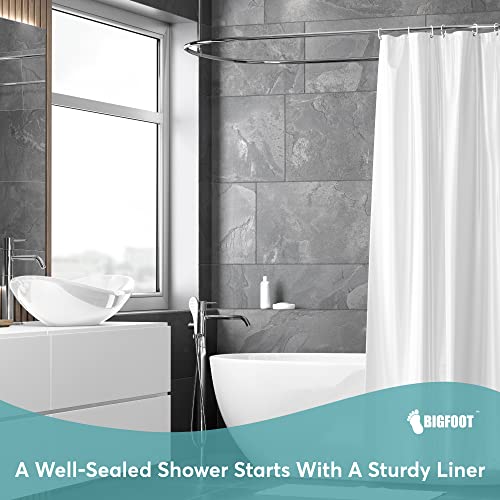
This clear liner is a simple win for damp basements. It is made of PEVA, which is a non-chlorinated plastic. basement bathroom designs hangs straight, has corner magnets, and resists clinging. I like that it looks neat while keeping water inside the shower. It wipes clean fast and does not give off a strong smell.
For basement bathroom designs, a durable liner is not a small thing. You need to control splash, protect floors, and stop mildew. The BigFoot liner helps with daily moisture control. It is a smart add-on to a walk-in or tub shower where airflow is limited.
Pros:
- PEVA material is odorless and free of chlorine
- Magnets help the liner stay put and reduce splash
- Easy to clean with a quick wipe-down
- Rust-proof grommets handle damp air well
- Clear look makes a small shower feel bigger
- Affordable way to protect new tile or vinyl floors
Cons:
- Magnets work best with steel tubs, less so with acrylic
- Needs routine cleaning to avoid soap film
- Not as heavy as hotel-weight liners
My Recommendation
This liner is great for budget builds and tenant spaces. It also fits anyone planning basement bathroom designs with a curbless or alcove shower. You want simple, odor-free, and easy to clean. That is what this product brings. Pair it with a good vent fan and a squeegee for best results.
| Best for | Why |
|---|---|
| Small basement showers | Clear look opens the space and keeps splash in |
| Moisture-prone basements | PEVA resists mildew and rust-proof grommets last |
| Quick remodels or rentals | Affordable, easy to install, simple to maintain |
Basement Bathroom Designs That Work in Real Homes
Great basement bathroom designs do three things. They handle moisture. They fit tight layouts. They meet code without breaking your budget. The right plan turns a cold corner into a fresh, bright bath. Let’s walk through what I use on real jobs to get a safe, dry, and stylish result.
I focus on airflow first. Then drainage. Then finishes that fight mold. I also plan the power and the light so the room feels like a main-floor bath. You can do the same basement bathroom designs a clear checklist.
Plan First: Space, Code, and Use basement bathroom designs
Start with the goal. Is this a guest powder room or a full bath with a shower? A powder room needs less space. A full bath needs more room and more vent power. Also think about who will use basement bathroom designs. Kids. Guests. Aging parents. That choice shapes your fixture sizes and clearances.
Next, check code and permits. Most areas require a permit for new plumbing and wiring. You need a GFCI outlet and safe lighting in wet zones. Vent fans must vent outside, not into the joist space. Drain slope and pipe sizes must be right. A quick call to your local office saves time later.
Measure your space. Mark support posts, ducts, and the main drain line. Sketch a few layouts on graph paper. Keep a 30-inch clear width in front of the toilet. Leave at least 21 inches of clear space from the front of the toilet to a wall or door. Many codes follow these minimums. I aim for more if I can.
Layouts that Maximize Small Rooms basement bathroom designs
Basement bathroom designs shine when you pick the right layout. Here are a few proven options.
- One-wall layout: Put the sink, toilet, and shower along one wall. It saves labor and pipe runs.
- Galley layout: Fixtures on two long walls. Good for narrow rooms. Keep a 36-inch path between.
- Corner shower layout: A neo-angle or square corner shower opens floor space.
- Wet room: One waterproofed zone with a linear drain. Great for low ceilings and tight rooms.
Pick sliding doors. A pocket door or barn door saves swing space. A clear glass panel or a clear liner keeps light flowing. Tile to the ceiling draws the eye up and makes the room look taller.
Plumbing: Drainage, Pumps, and Rough-Ins basement bathroom designs
Basements sit below the main sewer line in many homes. That means you may need an ejector pump. An ejector pump lifts waste to the main line. basement bathroom designs sits in a sealed basin below the floor. It needs a vent and a check valve. Plan that spot before you frame walls.
If you have a rough-in drain already, life gets easier. Measure pipe sizes. Many toilets tie to a 3-inch line. Showers often tie to a 2-inch line. Keep slope at about 1/4 inch per foot. That keeps flow steady. If pipes are above slab, use a raised shower base or a low-profile channel drain. For no rough-in, a macerating toilet is a quick fix. It grinds waste and pumps it to a higher line. basement bathroom designs is louder but avoids breaking concrete.
Use a backwater valve if your area floods. basement bathroom designs stops sewage from backing up into your bath. I also add cleanouts where I can. You will thank yourself later if a clog happens.
Waterproofing and Moisture Control basement bathroom designs
Basement bathroom designs fail when water creeps in. Stop it at the start. Use a full shower waterproofing system. Sheet membranes or liquid membranes both work. I like sheet for speed. Seal seams and corners well. Use basement bathroom designs a pre-sloped pan or a linear drain. Flood test the shower pan for 24 hours before tile.
On walls, use cement board or a foam backer board in wet zones. Do not use plain drywall in a shower. Use mold-resistant drywall on other walls. Prime basement bathroom designs a vapor-retarding primer if you have cool concrete nearby. Insulate rim joists and cold walls. Closed-cell foam or rigid foam helps stop condensation.
Seal the floor. If you have vinyl plank, choose a waterproof SPC or WPC core rated for baths. If you use basement bathroom designs tile, use crack isolation over concrete. Caulk the base of walls with a flexible sealant. These small steps keep humidity in check.
Ventilation: Quiet, Strong, and Smart basement bathroom designs
A good fan is a must. Aim for at least 80 CFM for small baths and 110 CFM or more for a full bath. Many codes accept 50 CFM intermittent or 20 CFM continuous, but I go higher in basements. Humidity is the enemy. Pick a fan with a humidity sensor. basement bathroom designs will run longer after a shower. That keeps mold away.
Vent to the outside with a smooth duct. Keep the run short. Seal the joints with foil tape. Insulate ducts that pass through cold areas. Add a small gap under the door for makeup air. I also like to add a timer switch. Guests use it. basement bathroom designs helps keep air fresh.
Lighting: Bright, Warm, and Layered basement bathroom designs
Light can make or break basement bathroom designs. Use layers. Put recessed lights on the ceiling. Place vanity lights near eye level. Add a shower-rated recessed light over the shower. Choose LED bulbs with a CRI of 90 or higher and a warm 2700K to 3000K color. That looks natural on skin.
Keep switches simple. One dimmer for the room. One switch for the fan. One for the shower light. Add a night-light mode if kids use the space. Use basement bathroom designs GFCI protection on outlets. Many pros now use AFCI/GFCI combo breakers where required. Ask your inspector what is best for your area.
Style Ideas for Any Home basement bathroom designs
You can make basement bathroom designs look like your main floor. Here are styles that work well:
- Modern: Large-format matte tiles, floating vanity, black or brushed brass trim.
- Scandinavian: Light wood tones, white tile, simple lines, soft gray grout.
- Industrial: Exposed-look fixtures, concrete-look tile, matte black hardware.
- Farmhouse: Shiplap-look wall panels, warm brass, patterned floor tile.
- Spa: Neutral stone-look tile, built-in bench, rain head with hand shower.
Choose a simple color plan: two main colors and one accent. In small rooms, keep walls light. Use texture for interest. Add a niche basement bathroom designs accent tile in the shower. That gives style without clutter.
Smart Storage in Small Spaces basement bathroom designs
Good storage matters in basement bathroom designs. Use a slim vanity with drawers. Drawers work better than doors in tight rooms. A mirrored medicine cabinet adds hidden space. Choose one that recesses between studs for a clean look.
Over-the-toilet shelves can help, but keep them shallow. Add hooks, not bars, when guests visit. Hooks dry towels fast. Use a small bench with a shelf under it if space allows. Baskets keep basement bathroom designs neat.
Flooring and Wall Materials That Last basement bathroom designs
Pick water-smart materials. Tile is still king for showers and floors. Porcelain tile is dense and durable. Choose a slip-resistant floor tile for safety. For faster installs, waterproof vinyl plank works as well. Pick a product approved for bathrooms and basements.
On walls, I like satin paint for easy cleaning. In showers, use basement bathroom designs tile or solid-surface panels. If you want a stone look without weight, use large porcelain slabs. Fewer grout lines means less work to clean.
Ceiling Solutions for Low Basements bathroom designs
Low ceilings make basement bathroom designs tricky. Recessed lights help save headroom. If you need access to pipes, use a clean drop ceiling with moisture-resistant tiles. If not, use drywall with a good primer and paint. Keep the ceiling light in color to open the room. Use a slim exhaust fan to fit tight joists.
Heating and Comfort basement bathroom designs
Basements run cool. Add heated floors if you can. Electric radiant mats under tile feel great and run on a timer. A wall-mounted heater can help spot-warm a room. Seal air leaks. Insulate exterior walls. A warm room fights condensation and feels nicer for guests.
Accessibility and Aging-in-Place basement bathroom designs
Basement bathroom designs can serve aging parents or future needs. Use a curbless shower if possible. A 36-inch wide door helps with walkers. Add blocking in walls for future grab bars. A hand shower on a slide bar helps all ages. Pick a comfort-height toilet. Small steps like these pay off later.
Budget and Cost in 2026 basement bathroom designs
Costs vary by region, size, and plumbing needs. Here are ballpark figures I see in 2026.
- Powder room (no shower): $6,000 to $15,000 if near existing drains.
- Full bath with ejector pump: $18,000 to $35,000 depending on finishes.
- Wet room with curbless shower: $20,000 to $45,000 due to waterproofing and tile.
Save basement bathroom designs a one-wall layout and mid-range fixtures. Spend on waterproofing, fans, and lighting. Those protect your home and make the room feel right. In short: invest in function first, then style.
Permits, Inspections, and Safety basement bathroom designs
Basement bathroom designs must be safe. Pull a permit when required. Schedule inspections for framing, plumbing, and electrical. Use GFCI outlets near water. Use shower-rated lights in wet zones. Vent your fan outdoors. Label shutoff valves.
If you add an ejector pump, your inspector will check venting and seals. The basin must be airtight. That blocks sewer gases. Follow the unit’s manual. Keep a dedicated circuit for the pump. Add an alarm to alert you if basement bathroom designs fails.
Odor Control and Air Quality basement bathroom designs
Basements can smell musty. Use a continuous low-speed fan or a smart fan basement bathroom designs a humidity sensor. Seal sump lids. Check for dry traps in unused fixtures. Add a trap primer if needed. Use mildew-resistant caulk and paint. Clean the shower liner often. A simple squeegee pass after each shower helps a lot.
Soundproofing Tips basement bathroom designs
Keep bathroom sounds private. Add mineral wool in stud bays. Use basement bathroom designs solid-core doors. Caulk gaps at the top plate and around boxes. A few small upgrades make a big difference. Your guests will feel at ease, and you will enjoy a quieter home.
Common Mistakes to Avoid basement bathroom designs
- Skipping a permit: You risk leaks and future buyer issues.
- Weak ventilation: Mold grows fast in basements.
- No drain slope plan: Backups happen when slope is wrong.
- Wrong materials: Drywall in showers and cheap fans lead to repairs.
- Dark finishes: Make small rooms feel smaller. Balance them with light.
Trends in 2026 You Can Trust basement bathroom designs
Basement bathroom designs in 2026 favor clean lines and easy care. Curbless showers are common. Linear drains look sleek and drain fast. Brushed brass and matte black finishes stay popular. Large-format tiles reduce grout. Smart fans run on humidity. LED mirrors offer soft backlighting and defogging.
Eco features are standard now. WaterSense toilets save water at 1.28 gpf. Low-flow shower heads feel good thanks to air-mix tech. Choose durable, repairable fixtures. They reduce waste and hold value.
Fixture Picks that Fit Basements bathroom designs
Choose a compact vanity between 18 and 30 inches wide for tight rooms. Wall-hung vanities create open floor space. Pick a toilet basement bathroom designs a small rough-in if pipes demand it. Many bowls are now 10 or 12-inch rough-in. Soft-close seats are a nice upgrade.
For showers, a single glass panel is simpler than a full door in tiny spaces. basement bathroom designs keeps water in the spray zone if planned well. Where that is not possible, a clear liner like the BigFoot is a simple fix. For hardware, pressure-balanced or thermostatic valves keep temps safe. Anti-scald is important for kids and guests.
Lighting Layout Example basement bathroom designs
Here is a simple lighting plan I use basement bathroom designs often:
- Two recessed 4-inch LEDs on the ceiling on a dimmer.
- One shower-rated recessed light over the shower on its own switch.
- A 24 to 36-inch vanity light at 66 to 70 inches from the floor.
- Night light feature on the fan or a small LED bar under the vanity.
This plan makes a small bath feel warm and bright. basement bathroom designs also keeps shadows off your face at the mirror.
Project Timeline You Can Follow basement bathroom designs
- Week 1: Plan, measure, sketch, and pull permits.
- Week 2: Frame walls, set pump basin if needed.
- Week 3: Rough-in plumbing and electrical.
- Week 4: Inspections and insulation.
- Week 5: Waterproof, set shower pan, drywall.
- Week 6: Tile and paint.
- Week 7: Fixtures, lighting, trim, fan.
- Week 8: Final touches, clean, test fan and pump.
DIY can take longer. Add time for custom glass or special tile. Stay flexible and keep a buffer in your budget.
DIY or Hire a Pro basement bathroom designs?
If you are handy, you can handle demo, paint, and even tile. But I suggest hiring a pro for plumbing and electrical. Ejector pumps and venting need skill. A pro can also speed up inspections. In many cities, licensed trades are required for permits.
Mix both if you want to save. Let pros handle the rough-in and waterproofing. You can do trim, paint, and accessories. Always read manuals and follow codes.
Design Ideas to Make basement bathroom designs Feel Bigger
- Use large mirrors to bounce light.
- Keep glass clear, not frosted, in tight rooms.
- Choose wall-mounted faucets to free counter space.
- Run tile vertically to add height.
- Match grout color to tile for a seamless look.
These small moves lift the room. Your basement bath can look like a boutique hotel basement bathroom designs a light hand and good choices.
Color Palettes that Work basement bathroom designs
Try these easy palettes for basement bathroom designs:
- Warm neutral: Soft white walls, beige floor tile, brushed brass accents.
- Cool calm: Pale gray walls, charcoal floor, chrome fixtures.
- Nature fresh: Sage green vanity, white walls, light oak shelves.
- Bold pop: White room with a patterned blue floor tile and matte black trim.
Pick one bold element. Keep the rest simple. That balance keeps small rooms calm, not busy.
Case Study: From Storage Room to Chic Powder Room basement bathroom designs
A client had a dark storage room under the stairs. The ceiling was low at 80 inches. We placed a corner sink and a compact round-front toilet. We ran one new vent fan to the back wall and out the rim joist. We used basement bathroom designs a pocket door to save space.
We chose light gray paint and a frameless mirror. A simple pendant and one recessed light brightened the room. The floor was vinyl plank over a moisture barrier. The result cost less than a full bath and looked great. The client said basement bathroom designs was the most used bath in the house when guests came by.
Case Study: Full Bath basement bathroom designs Ejector Pump
Another home had no rough-ins. We cut the slab and added an ejector pump basin. We ran a 2-inch vent through a closet above to the attic. The shower was curbless basement bathroom designs a linear drain by the wall. We used large 24×48 tiles to cut grout lines. A humidity-sensing fan kept moisture low.
The owner chose a floating vanity to show more floor. Warm 3000K LEDs made basement bathroom designs cozy. They added a BigFoot liner for a few months while waiting for custom glass. basement bathroom designs worked well and kept the room dry.
Maintenance Tips that Keep basement bathroom designs Fresh
- Run the fan during and for 20 minutes after showers.
- Dry the shower walls with a squeegee after use.
- Wipe the liner weekly with a mild cleaner.
- Seal grout yearly if your tile needs it.
- Test the GFCI monthly.
- Check the pump alarm twice a year.
Simple habits protect your investment. Your basement bath will stay clean, bright, and odor-free.
Basement Bathroom Designs: Quick Checklist
- Goal: powder or full bath?
- Permits and code checks done?
- Layout picked with right clearances?
- Drain plan set: gravity, ejector, or macerator?
- Waterproofing method chosen?
- Fan size and duct route planned?
- Lighting layers planned?
- Materials rated for baths and basements?
- Budget and schedule set with a buffer?
If you can check these off, you are on the right track. You are close to a smooth build and a bath you will love.
FAQs Of basement bathroom designs
Do I always need an ejector pump in a basement bathroom?
No. If your drain can flow by gravity to the main line, you may not need one. If the main sewer line is higher than your fixtures, you will need a pump or a macerating toilet. Ask a plumber to confirm.
What size fan should I use basement bathroom designs?
Use basement bathroom designs at least 80 CFM for a small bath and 110 CFM or more for a full bath. A humidity-sensing fan helps in basements. Vent it outdoors with insulated duct.
Can I put tile on basement concrete floors basement bathroom designs?
Yes, with prep. Use basement bathroom designs a crack isolation membrane and a quality thinset. Check for moisture. Fix leaks and let the slab dry before you set tile.
How do I make a low-ceiling bath feel taller basement bathroom designs?
Use basement bathroom designs vertical tile lines, light paint, and recessed lights. Keep glass clear. Choose a floating vanity to show more floor.
What is the best layout for small basement bathroom designs?
A one-wall or corner-shower layout works well. Use basement bathroom designs a sliding or pocket door. Keep clear paths and pick compact fixtures.
Final Verdict: Which Should You Buy?
The BigFoot 72×72 Clear Shower Curtain Liner is a simple, smart pick for damp rooms. basement bathroom designs fits tight showers, handles moisture, and stays clear to open the space.
If you are building or refreshing basement bathroom designs, start with airflow, waterproofing, and light. Then add this liner to control splash while you plan or wait for glass. It is low cost and high value.