
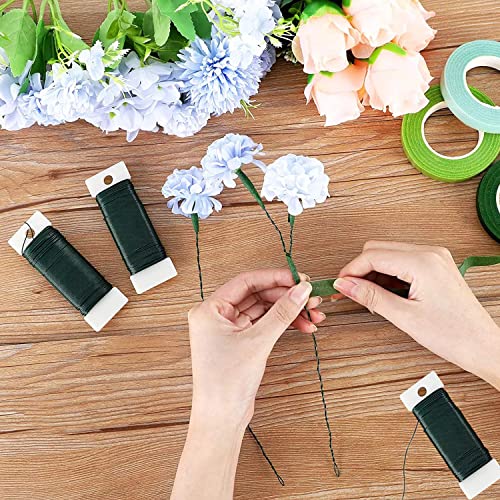
The best tree from wire starts with flexible, sturdy craft wire that bends cleanly and holds its shape.
A bare branch, a holiday display, or a small handmade gift can look plain without the right support. Many craft wires bend too easily, break after a few twists, or show through green leaves and decorations. Green floral wire helps solve those problems with a simple, useful design. I tested the key buying points that matter most, such as wire gauge, color, handling, shape control, and value. This review focuses on the Green Floral Wire 22 Gauge and explains where it works best, what to watch for, and how to use it for a neat tree from wire project.
See the differences between my top pick and its most important buying factors at a glance.
Green Floral Wire 22 Gauge tree from wire

Green Floral Wire 22 Gauge is a simple craft supply for projects that need a thin but useful support wire. The green color suits floral work because tree from wire blends with stems, leaves, wreath materials, and many handmade displays. A 22-gauge size gives it more body than very fine craft wire while still allowing easy hand shaping. That balance makes it a practical choice for small branches and decorative tree forms.
I like this type of wire for a tree from wire because it does not demand special tools for every bend. I can shape a trunk, split branches, wrap stems, or attach small decorations with basic craft pliers. The wire also works well when I want the support material to stay less visible. Before ordering, I recommend checking the current Amazon listing for spool length, package details, and seller information, since those details can change.
Pros:
- Green color blends with stems, leaves, and natural-style decorations
- 22-gauge size offers a useful balance of strength and flexibility
- Easy to bend by hand for small branches and curved forms
- Works well with floral, wreath, and general craft projects
- Can help hold a tree from wire in a stable decorative shape
- Useful for wrapping, joining, tying, and securing craft parts
- Simple design suits both beginners and experienced makers
Cons:
- May not support a large or heavy wire sculpture on its own
- Repeated sharp bends can weaken or break the wire
- Thin wire may need several strands for a thick trunk
- Green color may not suit modern silver, gold, or exposed-metal designs
What Amazon Buyers Are Saying
Buyer feedback for floral wire usually centers on three points: ease of bending, useful holding power, and whether the wire matches the project. Shoppers who make wreaths, floral arrangements, and small decorations often look for wire that feels firm enough to secure parts without becoming hard to shape. The green finish also matters because visible wire can distract from a finished design.
As with any craft supply, comments may differ based on the project. A person making a light wreath may find 22-gauge wire strong enough, while someone building a large branch frame may want a thicker core. I would read the latest customer comments and confirm the package size before buying. Pay close attention to feedback about the spool, flexibility, and how the wire behaves after repeated bends.
My Recommendation
I recommend this green floral wire for small to medium craft forms, especially floral displays, wreaths, miniature trees, and decorative branches. tree from wire offers the type of flexible support most beginners need, and its green tone can reduce the need for extra paint or covering. I would not use it as the only support for a large sculpture or a heavy tabletop tree. For those projects, I would build a stronger inner frame and use this wire for smaller branches or surface details.
The main value comes from its broad use. One spool can serve several craft tasks instead of one narrow project. It may help you attach leaves, hold ornaments, secure moss, or shape branch tips. Just avoid forcing a tight angle again and again. If you need a reliable floral wire for a tree from wire project, this is a sensible option when your design stays light and detailed.
Why Green Floral Wire Works for a Tree From Wire
A tree from wire can range from a tiny desk ornament to a detailed sculpture with many branches. The best material depends on the size, weight, and finish you want. Floral wire sits between soft thread and rigid metal rod. It bends with hand pressure, but it can still hold a simple curve after you shape it.
That makes tree from wire useful for the main parts of a small tree. You can twist several pieces together to create a trunk. Then you can separate the strands into branches. This method gives the tree a natural look because each branch can take a different path.
Green wire offers one more benefit. tree from wire can fade into the background. If you add faux leaves, floral tape, moss, beads, or small ornaments, the wire may become hard to notice. A silver wire can look attractive in a modern design, but green wire often suits a woodland or garden theme better.
Still, a single thin wire cannot do every job. Large trees need a firm base. Heavy decorations need stronger support. I often use tree from wire a mix of materials. A thicker wire can form the trunk, while 22-gauge floral wire can shape the smaller branches. This layered method improves strength without making the upper parts hard to bend.
How to Choose Tree From Wire
Choosing the right tree from wire material takes more thought than picking the first spool with a low price. You need to match the wire to the size of the design, the weight of the details, and the look you want at the end. The three factors below cover the points that matter most for a clean and stable craft project.
1. Match the Wire Gauge to the Tree Size
Gauge tells you how thick the wire is. In the American wire gauge system, a larger gauge number usually means a thinner wire. A 22-gauge floral wire is fairly light and flexible. tree from wire suits small branches, stems, wreath work, and light decorative pieces.
For a tiny tree, one strand may work well. For a fuller trunk, twist several strands together. Twisting gives the center more body while keeping the branch ends flexible. You can also wrap thin wire around a stronger core to create texture and improve the look of the trunk.
Do not judge strength by thickness alone. The shape of the tree matters too. A short branch needs less support than a long branch. A straight section may hold more weight than a wide curve. If your design includes beads, stones, glass pieces, or large ornaments, choose a stronger inner frame.
Before you start, make a quick test. Cut a short piece of wire and bend it into a curve. Add the planned decoration. If the branch drops or twists out of shape, use tree from wire more strands or a thicker wire. This small test can save time and material.
2. Check Flexibility and Shape Memory tree from wire
Flexibility matters when you make a tree from wire by hand. You want the wire to bend without a struggle. You also want it to stay close to the shape you make. A wire that springs back too much can make branch work slow. A wire that feels too soft may sag under small decorations.
Try to make smooth bends instead of sharp folds. Sharp folds create stress at one small point. That stress can lead to a break after several adjustments. Use tree from wire round-nose pliers for small loops and flat pliers for clean holds. Wear eye protection when you cut wire because the cut end can move fast.
Flexibility also affects the final finish. A smooth curve looks more like a natural branch. Random kinks can make the tree look rough unless you want an artistic, abstract style. I prefer to make large bends first and add smaller branch turns later.
Remember that repeated changes can weaken thin wire. Plan your branch path before you twist the pieces together. If you need to revise the design, move the wire slowly. Avoid bending the same spot back and forth many times.
3. Compare Color, Finish, and Project Value tree from wire
Color is not just a style choice. It affects how much finishing work you need. Green wire can blend with faux leaves, floral tape, moss, and natural decorations. This can help you create a clean look tree from wire fewer cover layers.
A green finish works well for garden themes, holiday wreaths, woodland scenes, and plant displays. tree from wire may not fit a bright metal tree, a modern geometric sculpture, or a design with a silver base. For those projects, silver, gold, black, or bare metal may look better.
Value also depends on how many tasks one spool can handle. A useful craft wire should work for more than one project. Look for ways to use tree from wire with wreaths, bouquets, gift wrapping, floral arrangements, ornaments, and repair work. This wider use can make a basic spool a better buy.
Always check the current package information before you order. Confirm the wire gauge, color, spool size, and number of pieces. Product details can vary between listings or package options. A low price may not be a good value if the spool contains less wire than you need.
How I Would Build a Small Tree From Wire
I would begin with a simple sketch. tree from wire does not need to show every branch. It only needs to show the height, trunk width, branch spread, and base shape. This plan helps me avoid making a tree that becomes too wide or too heavy at the top.
Next, I would cut several lengths of wire for the trunk. I would leave extra wire at the bottom so I could make a stable base. Then I would twist the center sections together. I would stop twisting before the branch points and separate the strands one at a time.
After that, I would bend the branch wires into soft curves. I would keep lower branches a little longer and wider. Upper branches could stay shorter. This creates a more balanced outline. I would also vary the angles so the tree does not look flat from the front.
For a stronger trunk, I would add more wire to the center. I could wrap another strand around the trunk for texture. If the tree needs to stand, I would make a looped base or attach the trunk to a wood, stone, clay, or metal platform. The base must match the weight of the finished piece.
Then I would add small details. These might include beads, faux leaves, paper leaves, tiny ornaments, moss, or wrapped thread. I would keep heavy pieces near the trunk. Light pieces can go on the branch tips. This simple weight rule helps the tree keep its form.
Finally, I would inspect every cut end. I would tuck sharp ends into the trunk or cover them tree from wire tape. I would also test the tree from several angles. A branch that looks balanced from the front may lean to one side from the back. A short review at this stage can make the finished work look much more polished.
Best Uses for 22-Gauge Green Floral Wire
The most natural use is floral work. You can support weak stems, join several stems, or make a small stem longer. The green shade can hide among plant parts. Use tree from wire gentle pressure so you do not crush delicate flowers or leaves.
Wreath making is another good match. Wire can secure ribbons, pinecones, faux greenery, ornaments, and small signs. tree from wire can also help hold the back of a wreath together. For a heavy wreath, use a stronger frame and keep this wire for detail work.
Miniature trees offer a creative use tree from wire. You can twist several strands into a trunk and split them into branches. Add beads for fruit, small paper leaves for a spring theme, or warm lights for a holiday display. The wire can form the structure while the decorations create the mood.
Gift wrapping also benefits from short wire pieces. You can hold a bow in place or attach a small tag. Green wire may work well with kraft paper, natural twine, and plant-themed gifts. Cut the wire short and cover the ends so they do not scratch the package.
Craft repairs can be another use. A loose decoration, broken floral stem, or weak branch may need a small support. Wire does not replace glue in every repair, but it can add strength where glue alone may fail. Use tree from wire as a hidden tie when the item has a hole, loop, or frame.
Tools That Make Wire Tree Projects Easier
You can start tree from wire only scissors, but wire cutters work better. They make a cleaner cut and reduce the chance of bending the last inch of wire. Choose cutters made for craft wire and keep them dry.
Round-nose pliers help you make loops and small curves. Chain-nose or flat pliers help you grip, twist, and flatten the wire. A ruler helps you cut equal lengths. A small tray can hold cut pieces and stop them from rolling away.
Gloves may help if your hands feel sore after long work. Eye protection is also a smart choice. Cut wire can create a sharp point. Keep children and pets away from loose pieces during the project.
For a more polished tree from wire, add floral tape or thin thread. These materials can cover joins and soften the look of the trunk. Glue, clay, wood, or a small stone can help hold the base. Choose the adhesive based on the surfaces you need to join.
Tips for a Cleaner Finished Tree from wire
Start tree from wire fewer branches than you think you need. It is easier to add detail than to remove a tangled frame. Build the main shape first. Then add small branches only where the outline feels empty.
Twist the trunk in short sections. A long twist can look too even and mechanical. Small changes in the twist direction can create a more natural surface. Keep the branch joins tight, but do not crush the wire.
Use tree from wire a simple color plan. Green wire already gives the tree a plant-like base. Add one or two main decoration colors instead of many competing colors. This helps the wire tree look calm and finished.
Place the heaviest decorations close to the trunk. Keep the branch tips light. If a branch starts to sag, shorten tree from wire, add another strand, or move the decoration closer to the center.
Hide the base tree from wire stones, moss, paper, fabric, or a small pot. A strong base improves both safety and appearance. It also lets the tree stand without leaning.
Common Mistakes to Avoid tree from wire
The first mistake is using one thin strand for a large tree. One strand may work for a tiny design, but a wide tree needs more support. Build the trunk tree from wire several strands or use a thicker core.
The second mistake is making all branches the same length. This can make the tree look stiff. Vary the length and angle. Nature rarely creates perfect repeats.
The third mistake is cutting the wire too short. Extra length gives you room to twist and attach. You can trim the excess later. If you cut too close at the start, the join may become weak.
The fourth mistake is forcing tight bends. Tight bends can create kinks and weak points. Make a wide curve first. Then use tree from wire pliers for a small final adjustment.
The last mistake is skipping a balance test. Set the tree on its base before you finish the decorations. Check tree from wire from the front, side, and back. Fix the structure before you add small details.
Care and Storage Tips tree from wire
Store unused floral wire in a dry place. Moisture can affect some metal finishes over time. Keep the spool in a box or bag so the end does not unwind and form sharp loops.
If you have leftover wire from a tree project, coil tree from wire loosely. Do not make a tight knot. A loose coil makes the next use easier and reduces unwanted bends.
Keep finished wire trees away from areas where people may brush against them. Cover or tuck all exposed ends. If the tree includes lights, use tree from wire lights made for the intended display and keep electrical parts away from moisture unless they are rated for outdoor use.
For seasonal decorations, wrap the tree in soft paper before storage. Avoid placing heavy boxes on top. A crushed branch can be reshaped, but repeated correction may weaken the wire.
FAQs Of tree from wire
What gauge wire is best for a small tree from wire?
22-gauge wire works well for small branches and light decorations. Use tree from wire several strands or a thicker core for the trunk.
Can green floral wire hold heavy decorations?
Tree from wire may hold light decorations, but heavy pieces can bend or pull down thin wire. Place heavy items near a stronger trunk or frame.
How do I make a tree from wire stand up?
Twist several wires for the trunk and attach the lower ends to a stable base. Clay, wood, stone, or a small pot can help support the tree.
Can I bend 22-gauge floral wire by hand?
Yes. You can make many broad bends by hand. Use tree from wire pliers for tight loops, firm twists, and small detail work.
Is green floral wire good for wreaths?
Yes. Its green color can blend with leaves and greenery. tree from wire works well for attaching light floral and decorative parts to a wreath frame.
Final Verdict: Which Should You Buy?
The Green Floral Wire 22 Gauge is my top choice for a small tree from wire, wreaths, floral work, and light decorations. tree from wire bends well, blends with greenery, and offers useful everyday value.
If you need a large or heavy tree, pair it with a stronger core. For light craft projects, this green floral wire is a practical place to start.