Plant beads are simple vase fillers that anchor stems and elevate decor.
You want your flowers to stand tall and look stunning, but loose stems slump, cloudy water looks messy, and soil in glass vases feels wrong. That is where plant beads shine. They add weight, hide stems, and turn a basic arrangement into a clean, modern display. They are reusable, easy to rinse, and safe for most glass containers. I rely on plant beads for cut flowers, faux greens, and centerpiece candles because they solve both form and function without fuss.
[3-product-listings-blocks]
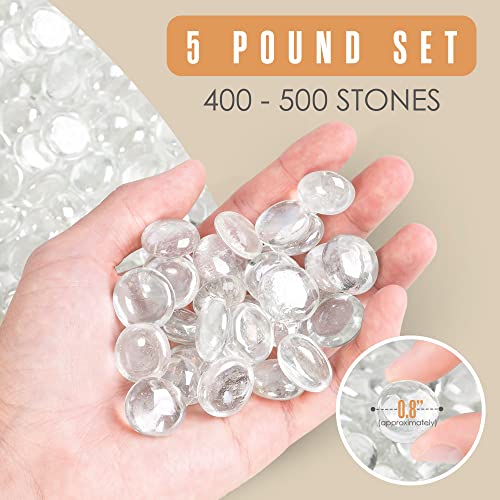
Clear Glass Plant Beads for Vases, 5 lb (500–600 pcs)

These clear glass plant beads come in a bulk 5-pound bag with roughly 500 to 600 pieces. The size and weight do the heavy lifting. They hold stems in place, add sparkle, and keep your vase water looking crisp and clean. Because the beads are clear, they blend into any color scheme and let the focus stay on your flowers or greenery.
I like these plant beads for tall vases where stability matters. The smooth finish is kind on glass and easy to rinse after each use. You can reuse them for years if you wash and dry them right. For events, one bag covers several centerpieces without breaking your budget.
Pros:
- Strong hold for tall or heavy stems
- Neutral, clear color suits any decor style
- Bulk 5 lb bag offers good value for large projects
- Easy to clean and reuse many times
- Smooth, rounded edges are vase-friendly
- Hides floral foam or stem wire in arrangements
- Great for both fresh and faux stems
Cons:
- Heavy to lift and store compared to plastic fillers
- Piece size can vary slightly across the bag
- Small parts are a hazard around young kids or pets
My Recommendation
If you need plant beads that add weight and disappear into your design, choose this 5 lb clear set. It suits home decorators, event planners, and anyone who wants neat, stable displays without color clash. The value is strong, and the reuse factor is high, so your cost per arrangement drops over time.
These plant beads are best for clear-glass vases, tall stems, and candle-scape bases. They deliver clean lines and steady support with minimal care. They are often in stock, so it is easy to reorder for big events or seasonal refreshes.
| Best for | Why |
|---|---|
| Tall glass vases | Added weight keeps long stems upright and stable |
| Neutral, modern decor | Clear plant beads fade into the background and let blooms pop |
| Event centerpieces | Bulk pack covers multiple tables and reuses well after |
What are plant beads, and why do they work so well?
Plant beads are small, smooth pieces used to fill vases and anchor stems. They can be glass gems, resin beads, water beads, or even clay pellets. Most people choose them to add weight, hide messy stems, and boost style. They turn a plain glass cylinder into a clean, stable base for flowers or greenery.
I reach for plant beads when I want two things: support and polish. Stems grip better between beads than in open water. The clear glass options keep the look fresh while giving your design a soft shine. If you like simple, modern decor, plant beads deliver without extra tools.
Types of plant beads and when to use each
Glass beads or marbles: Best for cut flowers and faux stems in clear vases. They are inert, easy to wash, and heavy enough to hold shape. Clear options match everything, while colored versions can set a theme. If you want long-term reuse, glass is the safe pick.
Water beads: These polymer beads swell in water. They look like jelly marbles and hold moisture. I limit them to decorative displays or short-term use plant beads because they can dry out and need more care. If you have kids or pets, handle with care due to choking risks.
Clay pebbles (LECA): These are great for hydroponic houseplants, not for clear vase displays. They help with aeration and water flow in pots. Use plant beads them for growing, not for a polished glass centerpiece. They are light brown and porous, so they do not hide as well.
How many plant beads do you need? A quick guide
plant beads depends on vase size and shape. For a standard 8-inch cylinder, I usually use 1.5 to 2 pounds of glass beads. For a 10- to 12-inch tall vase, plan on 3 to 4 pounds if you want stems to sit high. For low bowls, 1 to 1.5 pounds is often enough.
Think in layers. You want a base layer thick enough to lock stems. Then top up to hide cuts or floral tape. If you place a candle, keep the top level flat and even. plant beads one 5 lb bag of plant beads, you can finish two to four centerpieces, depending on size.
Design tips to get a pro look with plant beads
Start plant beads clean glass and clean beads. Dust and smudges show fast in clear designs. Add beads halfway, place stems, then add more beads to lock them. This saves time and gives better control.
Try color play if you use tinted beads. Mix clear with a second color at a 3:1 ratio for depth. Use plant beads layers for ombre, or add metallic accents for holiday tables. A few stems of eucalyptus or ruscus can turn a plain vase into a calm, spa-like display.
Care and cleaning: Make plant beads last
Rinse beads after each use plant beads warm water. If you used them with cut flowers, flush away any plant sap. For a deeper clean, soak them in a mix of water and white vinegar for ten minutes. Dry them on a towel before storing.
Keep plant beads in a lidded bin or heavy bag. Label by type and color to speed setup later. Do not pour plant beads down a drain. Glass can chip pipes, and water beads can swell and clog. A little care keeps them ready for many events.
Safety notes you should not skip plant beads
Plant beads are small and smooth. They can be a slip hazard on floors, and a choking risk for kids and pets. Store them high and sealed. Clean up spills fast to avoid breaks or falls.
Use only heat-safe glass if you place candles with beads. Keep flames above the bead layer, not buried in it. If you work with water beads, do not let them dry in carpets or sinks. They can expand again plant beads moisture and cause issues.
Plant beads vs floral foam: Which should you use?
Plant beads shine when you want a clean, reusable base that looks modern. They are great for simple stems and see-through vases. You get strong hold without the mess. They also cut waste because you reuse them for years.
Floral foam offers precision for complex designs. It holds water and sets shapes, but it is single-use and can shed dust. For most home arrangements, plant beads do the job with less fuss. For dense wedding installs, foam might still be useful.
Real-world use cases for plant beads
Everyday bouquets: Add two inches of glass plant beads, nestle stems, then top off. The look is neat, and dust settles at the bottom. It is fast and repeatable for weekly flowers.
Office and lobby decor: Plant beads keep faux stems straight and sharp. They hide picks and wires. They also resist fading, so displays stay fresh-looking longer. I like clear beads under faux monstera in tall cylinders.
Event tables: For weddings and showers, plant beads are a win. They move from table to table and from event to event. A few storage bins and a rinse station make cleanup easy. The shine works with low candlelight for a calm mood.
Common mistakes and easy fixes plant beads
Using too few beads: If stems shift, add more plant beads. You need pressure from all sides to hold shape. Add in stages and test as you go. It saves time later.
Cloudy water: Change the water, and wipe the inside of the vase. If residue remains, soak beads in warm water and vinegar. Rinse until clear. Clean glass looks like new plant beads a quick polish.
Color clash: Clear plant beads are the safest choice for bold flower colors. If you want a theme color, test a small mix first. A handful can tell you if the look feels right. Aim for contrast, not chaos.
Sizing, texture, and grip: What matters most plant beads
Medium glass beads give the best balance of grip and fill. They allow stems to settle and lock without big gaps. Very large marbles can create channels where stems slide. Very small beads can get messy and trap plant bits.
Texture also plays a role. Smooth glass has a clean look and is easy to wipe. Frosted beads hide scratches but can look dull in low light. For most homes and events, smooth clear plant beads hit the sweet spot.
How plant beads help flower life
Plant beads do not feed flowers. But they do help keep stems in place, so cuts stay below the water line. That helps blooms drink well and last longer. Stable stems also mean fewer re-trims during the week.
Use plant beads fresh water, remove leaves below water, and change water every two days. Add a floral preservative if you have it. Clean beads stop gunk from building up. Simple steps add days to your bouquet.
Budgeting and value: Getting the most from a 5 lb bag plant beads
One 5 lb bag of plant beads goes a long way. For home use, it can cover a season of weekly flowers in one main vase. For events, plan by table size and vase height. Bulk buys lower your cost per table by a lot.
Reuse is the biggest value driver. Wash, dry, and store. Replace only lost or chipped pieces. If you ever change your color scheme, clear glass still works. That is why I prefer clear over bold colors in bulk.
Eco and disposal pointers plant beads
Glass plant beads are reusable and recyclable in many areas. Do not toss them in general trash if you can avoid it. If a piece chips, wrap it before binning it to protect bags and hands. Keep broken glass away from pets and kids.
Do not flush or pour beads down drains. If you try colored resin beads, confirm they are colorfast in water. Rinse in a strainer, not directly in a sink. These small habits prevent clogs and reduce waste.
Quick styling formulas you can copy plant beads
Monochrome calm: Clear plant beads, white hydrangea, one stem of eucalyptus. Works in a 10-inch cylinder. It looks like a spa lobby at home.
Warm autumn glow: Clear beads with a few amber accents, rust mums, and a small pillar candle above the beads. Set three in a row down a long table. plant beads is cozy and safe.
Bold modern: Clear beads, two bird-of-paradise stems, and a monstera leaf. Tall, graphic, and simple. Place a mirror under the vase for extra pop.
How to set up a vase with plant beads (step by step)
1) Clean the vase. Dry it with a lint-free cloth. 2) Add a two-inch base layer of plant beads. 3) Fill the vase halfway with water if using fresh flowers. Keep beads below the waterline.
4) Place stems and check angle. 5) Add more beads to lock stems and hide cuts. 6) Top off water if needed. 7) Wipe the rim and outside for a clear finish. You now have a stable, neat look.
Storage and transport for event pros plant beads
Use sturdy bins with lids and labels. Keep plant beads sorted by type and color. Pack vases with a base layer before travel to save time. Bring a scoop, a strainer, and towels for fast setup and cleanup.
For large events, prep a rinse station plant beads buckets and a mesh colander. Line bins with heavy bags to keep stray beads contained. A rolling cart saves your back. Small systems like these make big jobs calm.
FAQs Of plant beads
Are plant beads safe for fresh flowers?
Yes. Glass plant beads are inert and safe. They do not feed flowers but help hold stems in place.
Can I use plant beads with candles?
Yes, if you keep flames above the bead layer and use plant beads heat-safe glass. Do not bury flames in beads.
How do I clean plant beads after use?
Rinse plant beads warm water. Soak in a water and white vinegar mix for ten minutes. Dry before storing.
Do plant beads work for hydroponic houseplants?
Glass beads help plant beads support, but clay pebbles (LECA) are better for long-term growing needs.
How many plant beads do I need for a 10-inch vase?
Plan on 3 to 4 pounds for tall, stable setups. Adjust by vase width and stem count.
Final Verdict: Which Should You Buy?
The 5 lb clear glass plant beads set is the best choice for most homes and events. It offers weight, neutrality, and long-term reuse at a fair price.
If you want clean lines, steady stems, and easy care, these plant beads deliver. They fit any style and help your flowers shine.
A hanging plant shelf is a brilliant space-saving upgrade—bringing greenery upward adds visual interest without sacrificing valuable floor space. Simple, stylish, and perfect for creating a fresh, elevated look. 🌿✨